
angular 组件是 angular 应用程序的基础,提供了一种构建用户界面的模块化、可重用部分的方法。在本指南中,我们将介绍 angular 组件的基础知识,从结构到最佳实践。无论您是 angular 新手还是想复习一下,本文都将使您对 angular 中的组件有一个基本的了解。
什么是角度分量?
在 angular 中,组件是控制用户界面 (ui) 部分的类。想想按钮、选项卡、输入、表单和抽屉(实际上是 ui 的任何部分)。每个组件都是独立的,包括:
- html 模板:定义 ui 的布局和结构。
- css 样式:设置组件的外观和样式。
- typescript 类:包含组件的逻辑和数据。
- 元数据:提供 angular 识别和使用组件的配置详细信息。
组件对于创建模块化应用程序至关重要,因为每个组件都可以代表页面的特定部分,例如标题、侧边栏或卡片。
角度组件的基本结构
angular 组件是使用 @component 装饰器定义的,它使用必要的模板、样式和选择器对其进行配置。这是一个基本示例:
import { component } from '@angular/core';

@component({
  selector: 'app-example',
  templateurl: './example.component.html',
  styleurls: ['./example.component.css']
})
export class examplecomponent {
  title: string = 'hello, angular!';

  gettitle() {
    return this.title;
  }
}
在此示例中:
- 选择器是代表组件的 html 标签。
- templateurl 指向 html 模板文件。
- styleurls 指的是组件的 css 文件。
- examplecomponent 类保存组件的数据和逻辑。
典型的组件文件夹结构
angular 项目通常将组件及其关联文件组织在一个文件夹中,该文件夹是使用 angular cli 时自动创建的。组件的典型文件夹结构包括:
- example.component.ts:定义 typescript 类。
- example.component.html:包含 html 模板。
- example.component.css:保存组件样式。
- example.component.spec.ts:包含组件的测试。
组件生命周期
angular 组件具有带有钩子的生命周期,允许开发人员在各个阶段执行操作。常用的生命周期钩子包括:
- ngoninit:组件初始化后调用。
- ngonchanges:当任何数据绑定属性更改时触发。
- ngondestroy:在 angular 销毁组件之前调用。
例如,ngoninit 的使用方法如下:
import { component, oninit } from '@angular/core';
@component({
selector: 'app-lifecycle',
template: 'lifecycle example
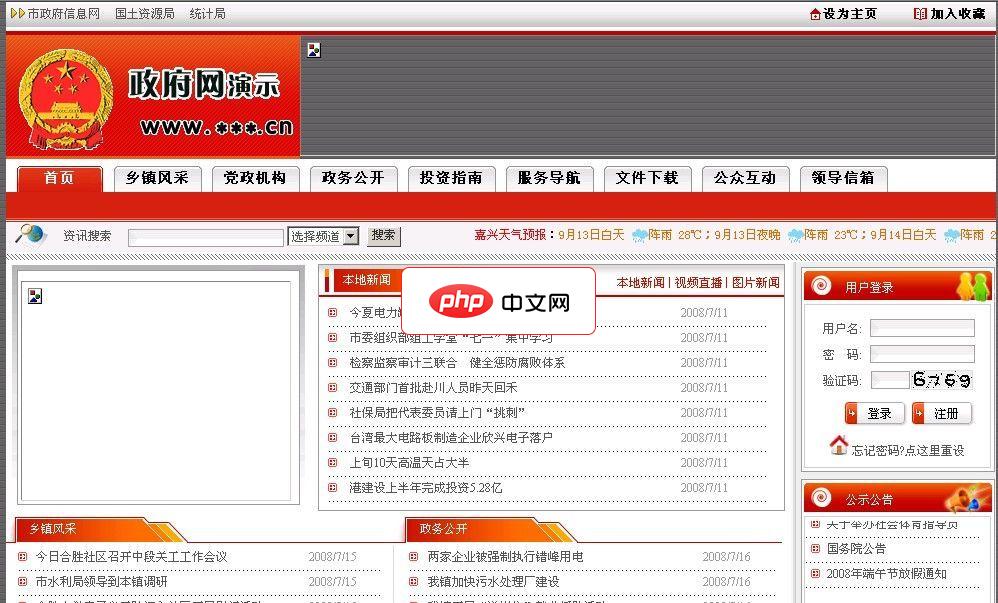 MediPro乡镇政府门户网站系统 5.1.0 UTF-8简体中文版
MediPro乡镇政府门户网站系统,适合乡镇政府机构创建地方门户网站,用以宣传本地资源,实现政务公开,促进乡镇基层信息化建设。本系统基于PHP+MYSQL开发,预设了乡镇风采、党政机构、政务公开、投资指南、服务导航、文件下载、公众互动、领导信箱等乡镇政府门户网站常用的栏目和测试数据,采用适合乡镇政府门户网站的专用模版,增强了系统的针对性和易用性。除了文章系统、图文系统、下载系统、社区交流、反馈表单
下载
',
})
export class lifecyclecomponent implements oninit {
ngoninit() {
console.log('component initialized!');
}
}
生命周期挂钩提供了灵活性,可以轻松管理组件生命周期特定阶段的逻辑。
组件之间的通信
在现实应用程序中,组件通常需要相互交互以共享数据或触发操作。 angular 提供了几种组件通信的方法:
1. @输入和@输出
- @input:允许父组件向子组件传递数据。
- @output:使子组件能够向其父组件发送事件。
示例:
// child.component.ts
import { component, input, output, eventemitter } from '@angular/core';
@component({
selector: 'app-child',
template: ``,
})
export class childcomponent {
@input() childmessage: string;
@output() messageevent = new eventemitter();
sendmessage() {
this.messageevent.emit('message from child!');
}
}
2.基于服务的通信
当组件不存在父子关系时,angular 服务提供了一种共享数据和逻辑的简单方法。默认情况下,服务是单例的,这意味着应用程序中仅存在一个实例。
import { injectable } from '@angular/core';
import { behaviorsubject } from 'rxjs';

@injectable({
  providedin: 'root'
})
export class sharedservice {
  private messagesource = new behaviorsubject('default message');
  currentmessage = this.messagesource.asobservable();

  changemessage(message: string) {
    this.messagesource.next(message);
  }
}
在不同组件中使用服务:
// component-one.ts
import { component } from '@angular/core';
import { sharedservice } from '../shared.service';
@component({
selector: 'app-component-one',
template: ``,
})
export class componentone {
constructor(private sharedservice: sharedservice) {}
changemessage() {
this.sharedservice.changemessage('hello from component one');
}
}
// component-two.ts
import { Component, OnInit } from '@angular/core';
import { SharedService } from '../shared.service';
@Component({
selector: 'app-component-two',
template: `{{ message }}
`,
})
export class ComponentTwo implements OnInit {
message: string;
constructor(private sharedService: SharedService) {}
ngOnInit() {
this.sharedService.currentMessage.subscribe(message => this.message = message);
}
}
角度组件的最佳实践
- 单一职责:确保每个组件都有一个职责,以提高可读性和可维护性。
- 功能模块:在功能模块中组织相关组件,这有助于延迟加载。
- 优化变更检测:对不经常更新的组件使用onpush变更检测以提高性能。
- 限制服务用于通信:虽然服务对于共享数据很有价值,但过度依赖它们可能会导致紧密耦合的代码。尽可能使用@input和@output进行亲子沟通。
- 简化模板:使模板尽可能简单,将复杂的逻辑移至组件类中。
结论
angular 组件是构建可扩展和模块化应用程序的核心。通过了解它们的结构、生命周期和通信方法,您可以创建高效、可维护且易于理解和构建的应用程序。
在下一篇文章中,我们将更详细地探讨 angular 组件生命周期,探索每个钩子以及如何使用它来有效管理组件。请继续关注,深入了解 angular 强大的生命周期功能!